Embedded SystemJun 5, 2026
Introduction to Embedded System
An embedded system is a small computer built inside a device to make it work and perform specific tasks. It's like giving a device a tiny brain!
Embedded Systems All Around You
You see embedded systems every day! Here are some examples:
- Smartphone - Controls calls, messages, games, and cameras
- Microwave Oven - Sets the cooking time and temperature automatically
- Television - Changes channels and adjusts volume with the remote
- Digital Watch - Shows time and counts steps
- Traffic Lights - Change colors in a pattern to manage traffic
- Video Game Console - Runs games and controls the graphics
- Cars - Controls engines, brakes, and safety features
Three Main Parts of an Embedded System
- Processor (Microchip) - The brain that makes decisions and controls everything
- Memory - Stores instructions and data (like storing homework in your notebook)
- Sensors and Outputs - Receives information from outside and sends commands to perform actions
Embedded vs. Regular Computer
Embedded System: Small, dedicated to one task, built inside another device, always on, low power use
Regular Computer: Large, can do many different tasks, standalone device, can be turned off, uses more power
Why Are Embedded Systems Important?
- Make devices
- Save energy and cost
- Make tasks automatic (no human control needed)
- Help create new and useful products
- Make our lives easier and safer
viea
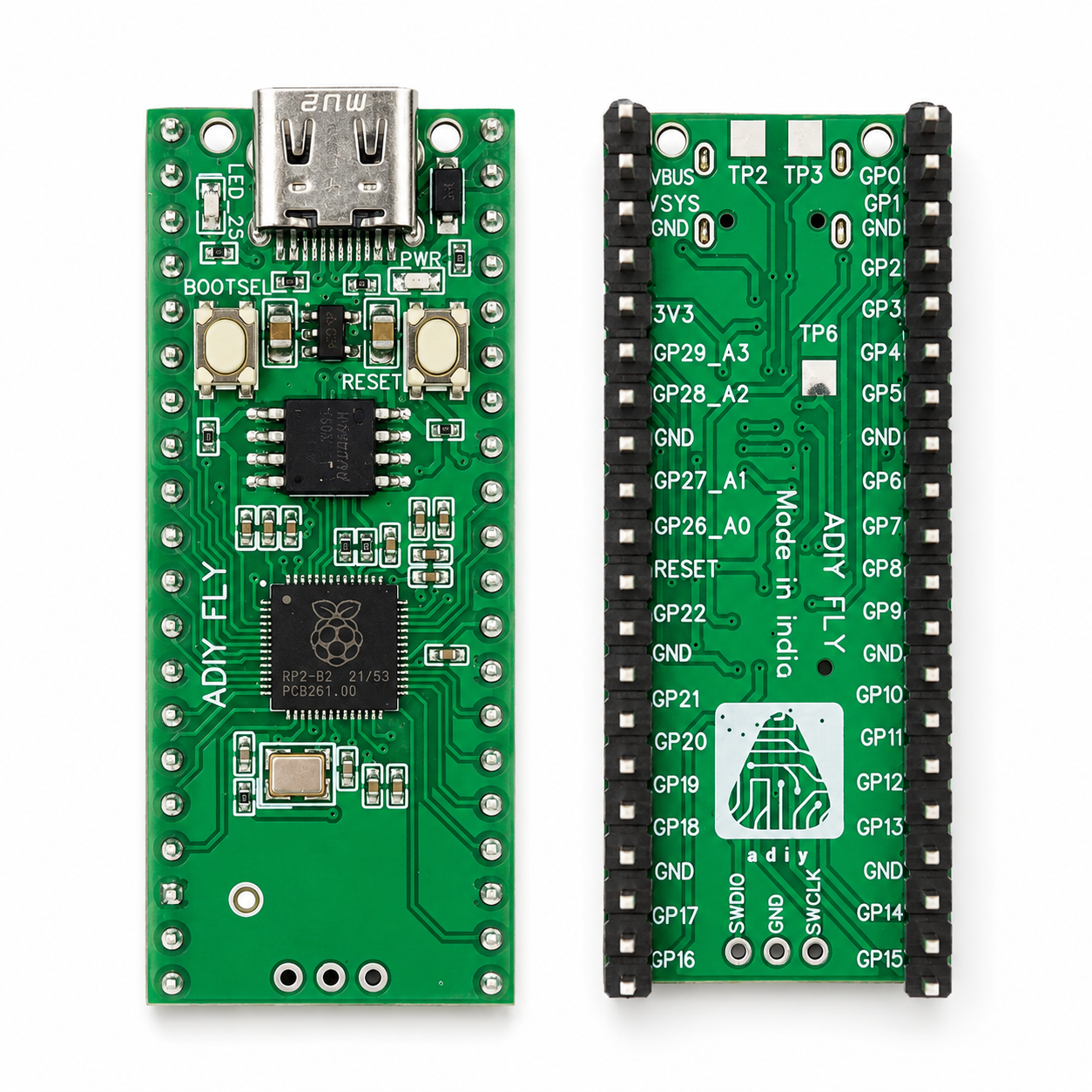
Fun Fact! 🎯
There are more embedded systems in the world than people! Billions and billions of tiny computers are working inside devices all around us, making our world smart and connected.